Dumpster bags occupy a funny spot in the disposal world: half the people who try one become evangelists, and the other half wish they had rented a bin. The difference is almost always whether the job matched the bag. Here is the honest matching guide, from a company that sells both.
What a dumpster bag is
A heavy-duty woven bag that folds flat until you need it, opens to hold a serious pile, and gets collected by truck when full. Our version, the Bam Bag, is rated for 1 tonne, about 3,300 pounds, which is genuine renovation-grade capacity: tile, plaster, lumber, and fixtures, not just bags of leaves.
Where bags beat bins
No delivery wait. Buy it at the counter today, start filling tonight. There is no truck visit until collection.
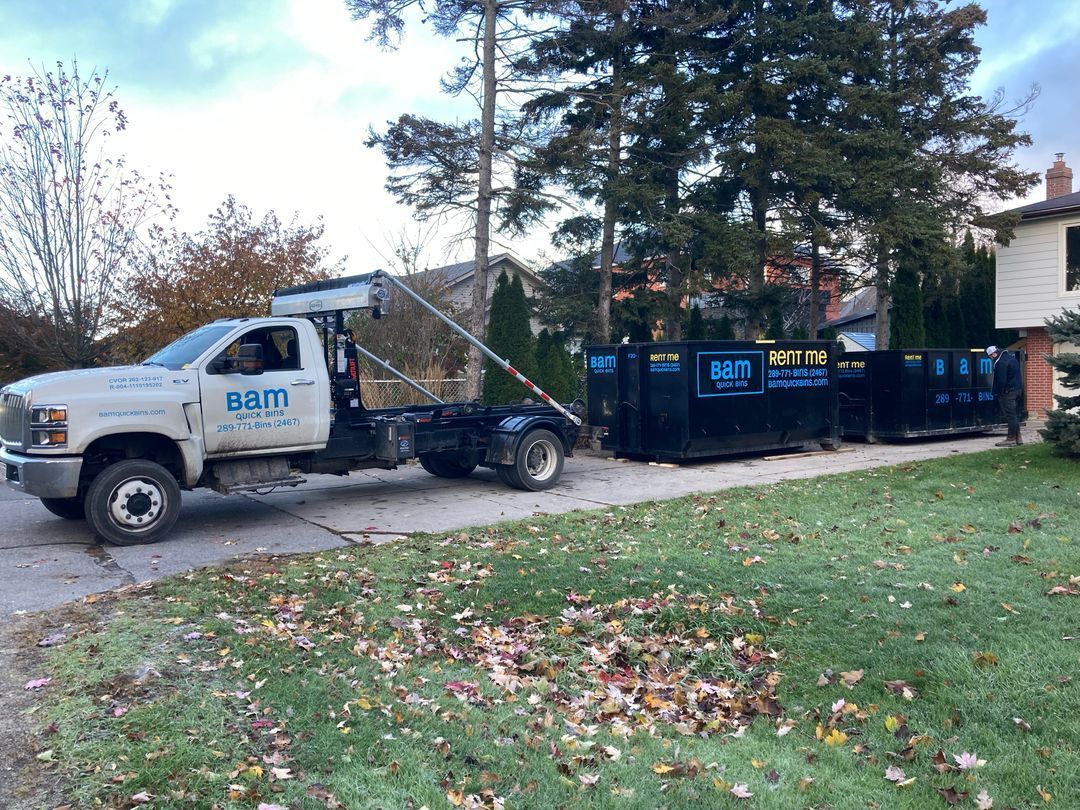
Tight and awkward spots. Bags go where roll-off trucks cannot: behind houses, up laneways, beside downtown walk-ups, on job corners a bin would blockade.
Open-ended timelines. A bag can sit folded in the garage until the project actually starts, which makes it the perfect maybe-this-month purchase.
Small dense loads. A tonne of capacity in a compact footprint suits exactly the loads that make small bins awkward: one bathroom's demo, one chimney's brick.
Where bins beat bags
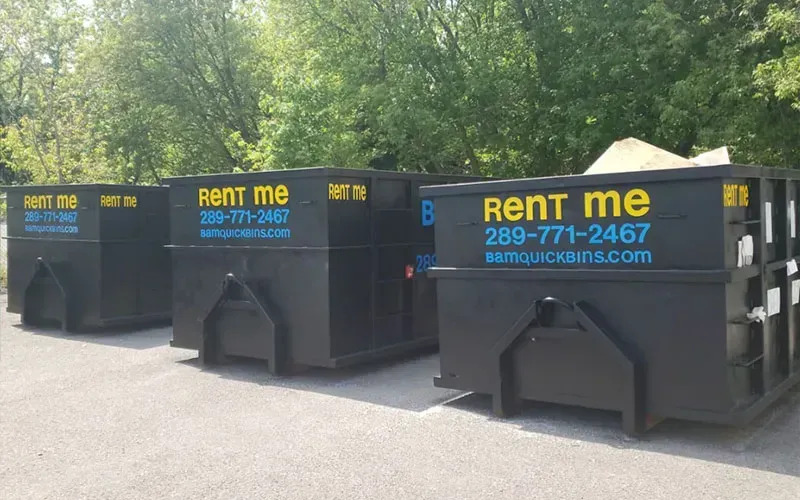
Volume. Past about a single room's worth of debris, bag economics fade and a 10-yard bin, with triple the practical volume, wins; the small dumpster options guide draws the line in detail.
Bulky furniture. Couches and intact furniture fight the bag's opening. They slide over a bin wall without negotiation.
Repeat loads. Projects that keep generating debris want a bin with swaps, not a procession of bags.
The honest verdict
Worth it, emphatically, for the right job: single-room renos, cleanout corners, tight access, and stop-start timelines. Not worth it as a substitute for a real bin on a real renovation. We stock Bam Bags at the counter and will happily tell you which side of the line your project sits on; the Bam Bags page has the program details, and the collection call is one number: 1-888-771-2467.