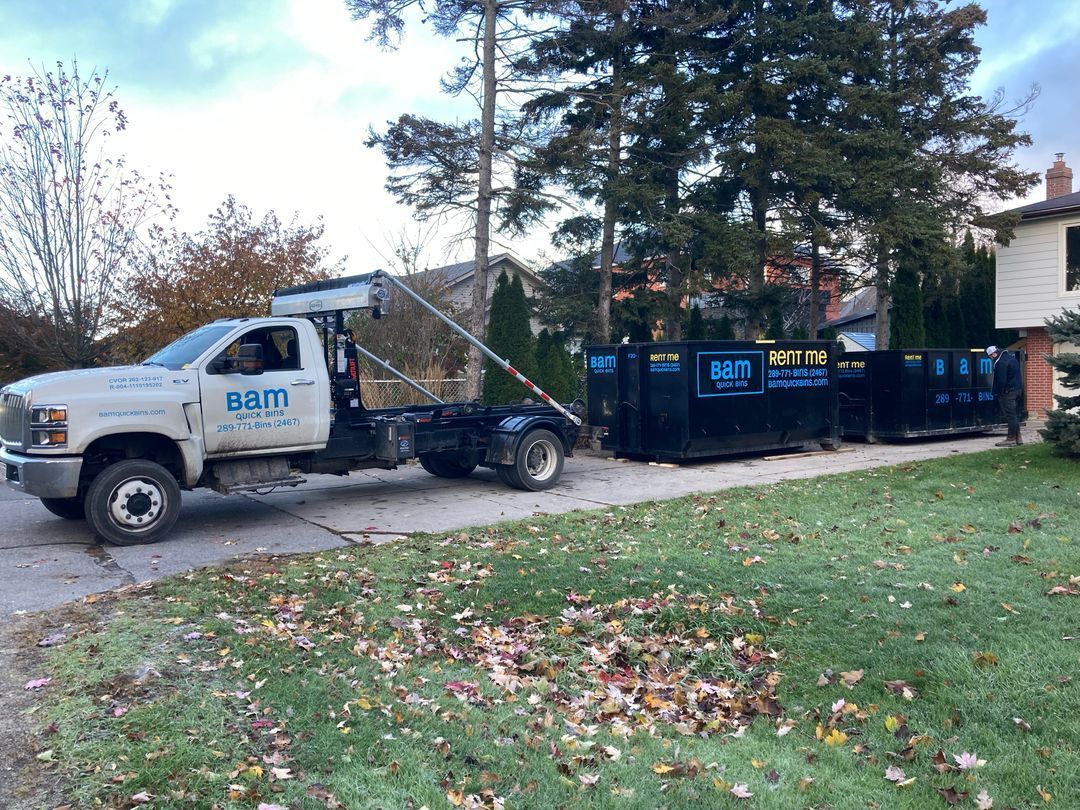
It is the question kids ask at the curb and adults quietly wonder at booking: where does it all actually go? The truck pulls away and the story usually ends there. Here is the rest of it.
The short version
Loads from our bins go to licensed, approved facilities, where material gets directed into the best stream available: recovery and recycling where markets exist, and properly managed disposal where they do not. The goal, shared across Ontario's waste sector, is diversion: pulling value out of the load before anything is buried.
What gets a second life
More of a typical bin than you might guess:
Metal is the star. Steel and appliances without refrigerants are pulled for scrap, one of the oldest and healthiest recycling markets there is.
Clean wood can be ground for reuse rather than buried, which is one reason tidy loads matter.
Concrete, brick, and asphalt, kept clean in their dedicated bins, get crushed into aggregate for new construction, the most direct kind of circular economy.
Cardboard and rigid plastics have established recovery streams when loads arrive uncontaminated.
The common thread: separation creates value. A clean stream is a resource; the same material soaked into a mixed mess is landfill. It is why we coach customers on load separation and keep hazardous materials, which contaminate everything they touch, firmly out of bins, per the accepted items guide.
Why licensed matters
Licensed facilities operate under provincial oversight: engineered sites, tracked volumes, managed runoff, and accountability for what crosses the scale. The alternative economy, the too-cheap hauler whose price works because the load ends up in a rural ditch, is the thing licensing exists to prevent, and it is worth asking any disposal company the simple question: where does my load go? A good answer has a facility in it.
Our part in the bigger system
This thinking is why Bam Quick Bins joined Waste to Resource Ontario, the association whose members manage the large majority of Ontario's waste and recycling. Membership keeps us current on the rules and pushing in the same direction as the province: more recovery, less burial.
Your part is easier than you would think: donate what still works, keep hazardous items in their own municipal stream, keep clean fill clean, and let the bin take the rest. Start a project the responsible way on our services page, and the load will end somewhere you would be comfortable seeing.