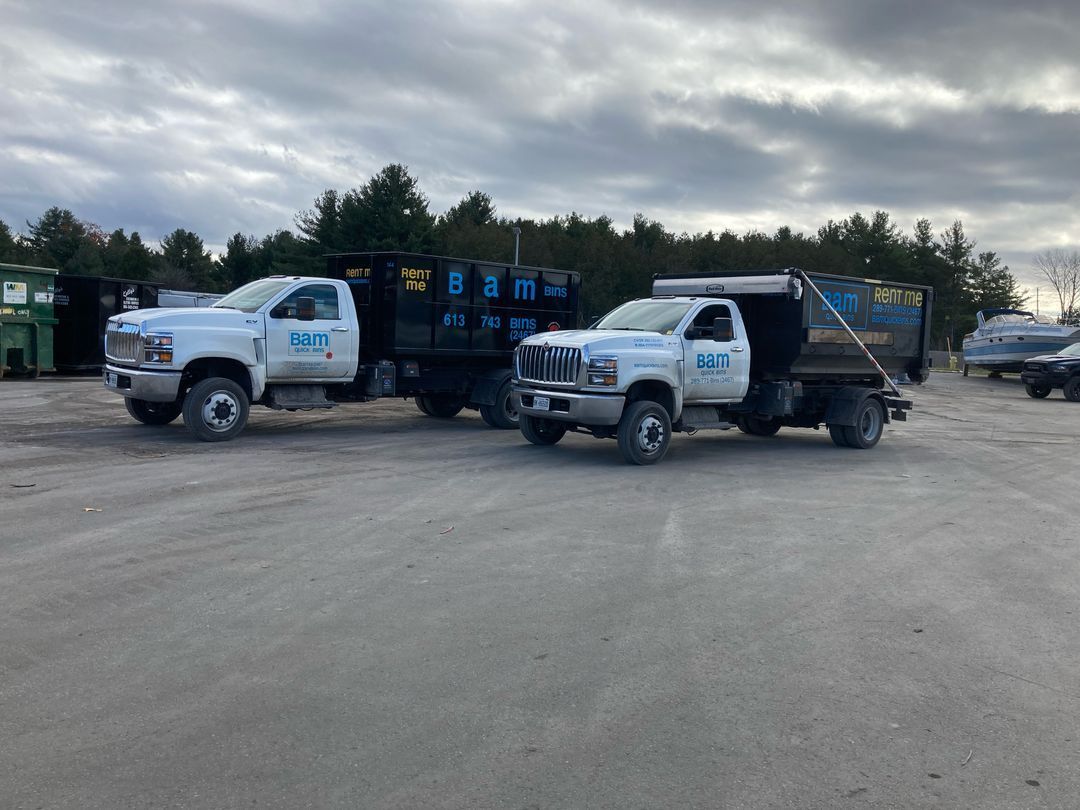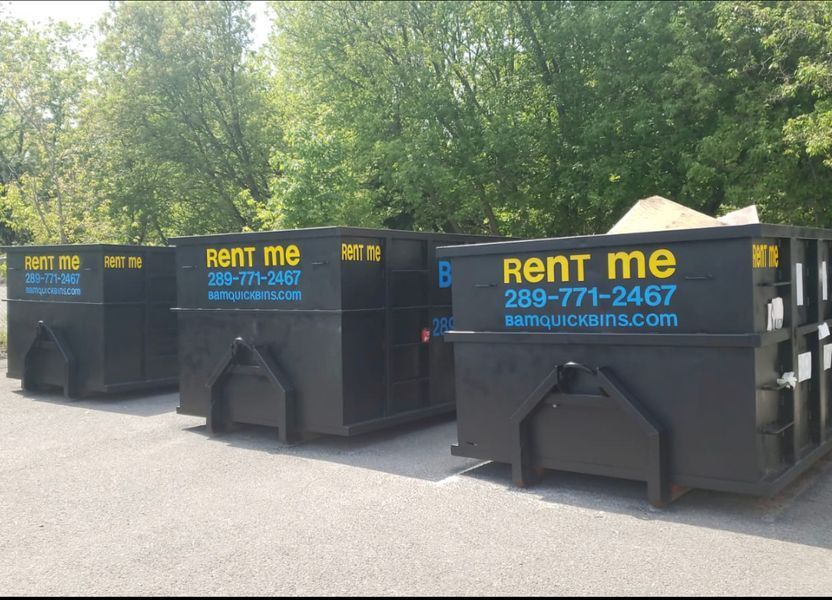
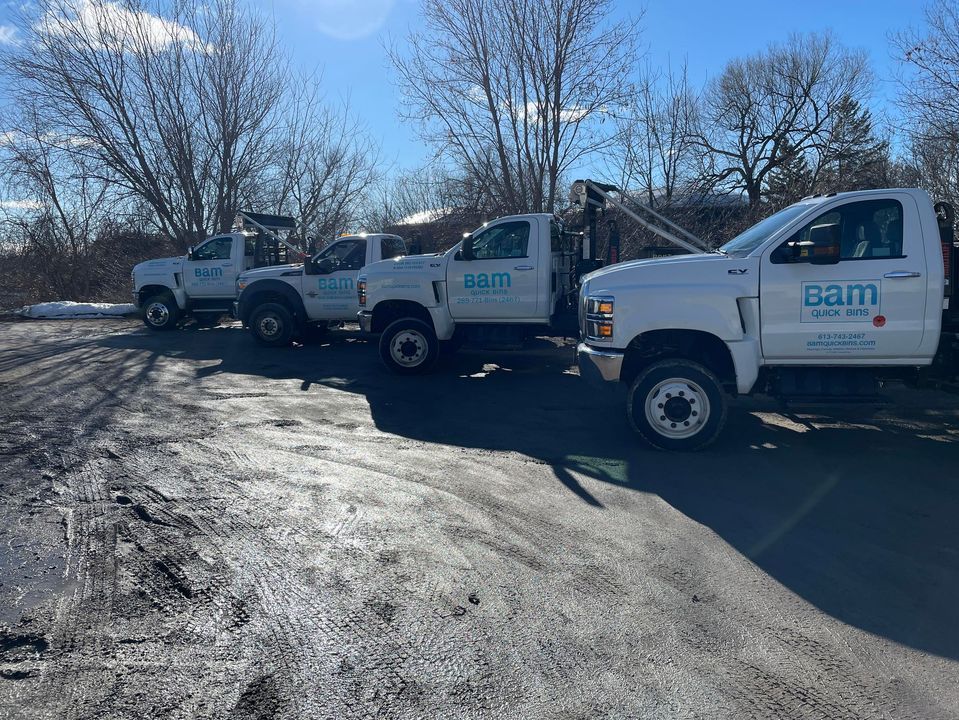
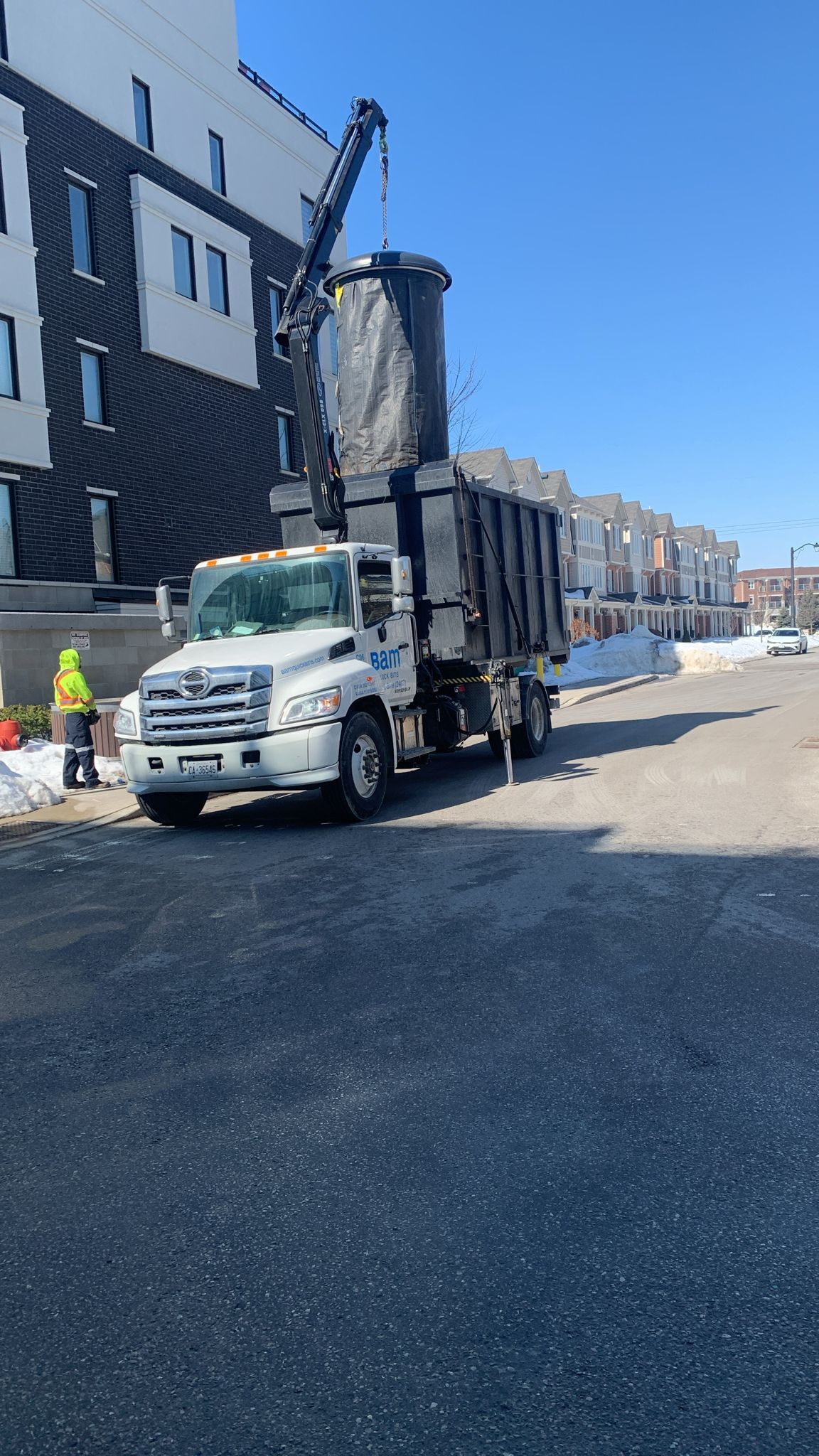
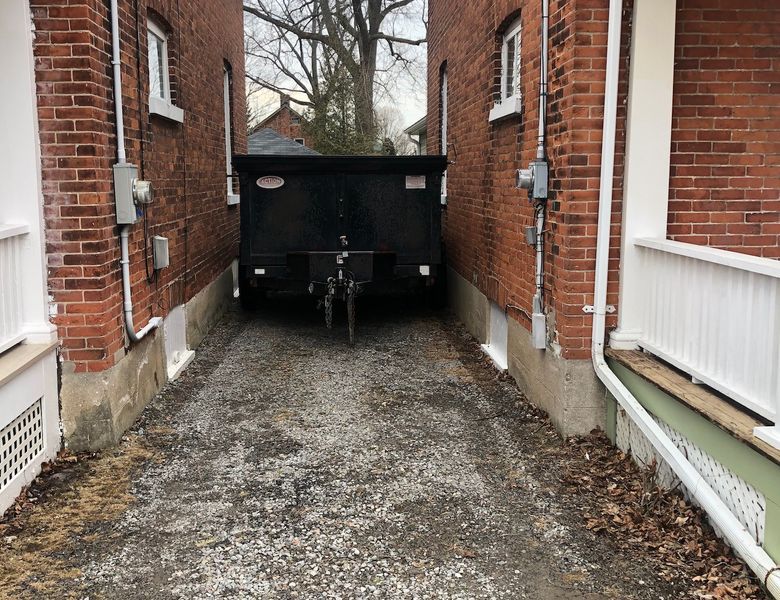
A 40 yard bin is the biggest roll-off most people have heard of, and it gets asked about a lot when a project feels huge: a full house cleanout, a gut renovation, a teardown. We get the question too. Our answer usually surprises people, because our largest bin is a 20-yard, and for almost every home project that is the right call.
This guide explains what the number on a bin means, who really needs 40 cubic yards in one place, why weight matters more than volume once a bin gets big, and how to plan a large project with 20-yard bins and swaps instead. If you only want the quick version: measure your debris, check what it is made of, and read the section on weight before you book anything large.
What "40 yard" means
The yard number is volume. A 40-yard bin holds 40 cubic yards of debris, which is about 30.6 cubic metres. That is exactly twice our 20-yard bin, which holds 20 cubic yards, roughly 15.3 cubic metres.
To picture a cubic yard, think of a box 3 feet long, 3 feet wide and 3 feet high. Twenty of those fill our biggest bin. Forty fill the bin people are searching for.
Our own bins are all about 12 feet long, so they fit where a car parks:
- 10-yard: about 12 ft long, 6 ft wide and 4 ft high.
- 15-yard: about 12 ft long, 7 ft wide and 4 ft 6 in high.
- 20-yard: about 12 ft long, 8 ft wide and 5 ft high, and it needs a driveway at least 8 feet wide.
The bigger our bins get, the wider and taller they become, not longer. That is a big part of why a 20-yard still fits a normal driveway, and every bin sits on boards to protect the surface underneath. Our bin size guide compares all three by project.
Who needs a 40 yard bin
Very large roll-offs, the 30 and 40-yard sizes, exist in the market for industrial and commercial work: big sites with plenty of room for the bin and the truck that carries it, producing a lot of light, bulky material in one place.
Homes are a different story. A residential driveway, a laneway or a street in front of a house is where most of our bins go, and the practical ceiling there is the 20-yard. Our dumpster sizes guide covers the full range of sizes you will see advertised, from small bags up to the big roll-offs.
If your job is industrial or commercial, call us and describe it. We will tell you honestly whether our bins and a swap schedule fit the work, or whether it needs something we do not offer.
Why weight matters more than volume
This is the part most people miss. A bin twice the size holds twice the debris, and twice the debris weighs twice as much.
Every Bam Quick Bins rental runs 5 days and includes 1 metric tonne of disposal. Plenty of jobs stay inside that in a 10 or 15-yard bin. Once a bin gets big and you fill it with renovation debris, the weight climbs fast: drywall, plaster, tile, wet wood and shingles are all far heavier than they look in a pile.
Heavy material is its own category. Soil, concrete, brick and asphalt are so dense that they go in our dirt and concrete bins, which are smaller bins filled partway by design. A 20-yard full of that kind of material would be far too heavy to haul, and a 40 would be twice as bad. If your project includes a slab, a patio or a pile of fill, keep it separate from the light debris and tell us when you book.
So the real question is rarely "how much room do I need?" It is "how much will this weigh, and what is it made of?" In our experience, a big gut renovation can go past the 1 tonne included in a rental long before the bin looks full. This varies from project to project, so treat it as a rough guide and do your own estimate before you book. Our material weight chart gives rough estimates to start from.
Measure your debris before you pick a size
A bin size should come from a measurement, not a feeling. For a pile that is already sitting in a garage or yard, measure its length, width and height in feet, multiply the three, and divide by 27 to get cubic yards.
A worked example: a pile 12 feet long, 8 feet wide and 4 feet high is 384 cubic feet. Divide by 27 and you get about 14.2 cubic yards. That fits a 15-yard bin with a little room to spare, and a 20-yard comfortably. It is nowhere near a 40.
For a job you have not started yet, estimate room by room. Our cubic yard calculator does the arithmetic for a pile, a room or a hole, and our guide on how to calculate cubic yards covers awkward shapes and loose material.
Two habits make the estimate better:
- Break things down. A couch, a bed frame or a cabinet takes far less room in pieces than whole.
- Load flat and tight. Long pieces along the bottom, bulky items broken up, loose debris filling the gaps.
What fits in a 20-yard bin
Our 20-yard is the contractor's pick for serious volume. These are the jobs we suggest it for:
- A whole-home or estate cleanout. One 20-yard bin replaces a week of dump runs.
- Construction or demolition debris. Framing, drywall and mixed demolition debris fill bins fast.
- A gut renovation, when a main floor or a whole basement goes back to the studs.
- A multi-room renovation, with the kitchen, bathroom and flooring done together.
- Moving out after decades, with furniture, storage and garage contents in one load.
For most homes, a full house of furniture, storage and garage contents is the job the 20-yard is built for. Very large homes and hoarding cleanups may need a swap. Our estate cleanout guide walks through a whole-house job step by step.
A 20-yard is the wrong choice for one room, where a 10 or 15-yard costs less and takes less space, and for a driveway narrower than about 8 feet.
Big projects run on swaps, not bigger bins
When a project produces more than one 20-yard bin of debris, the answer is a swap. Busy builds run on our swap service: an empty bin lands when the full one leaves, so demolition and framing debris keep moving and the site never stops for a full bin.
Swaps have a few practical advantages over one giant bin:
- The bin stays a size your driveway can take.
- Light debris and heavy material can go in separate bins, so a load of concrete never ends up mixed into a bin of drywall.
- You can switch sizes partway through. A demolition might start in 20-yard bins for the light debris and move to a dirt and concrete bin when the foundation or slab comes out.
- You pay for the bins the job produces, rather than guessing at the start how big one container should be.
Our construction bin rental guide covers swap scheduling for builders and renovators, and our construction bins page explains the service. For a teardown, our house demolition guide covers permits, utilities and the order of work.
Sizing mistakes on big jobs
The same few mistakes come up on large projects again and again, and each one costs time or money.
Booking the biggest bin to be safe. Size up when the debris is light and bulky, like furniture, boxes and household junk. When it is heavy, like plaster, tile or shingles, a bigger bin only gives you more room to go over the weight. Pick the size for the material, not for how big the job feels.
Mixing heavy material into general debris. A few wheelbarrows of broken concrete or a pile of patio stones can add a lot of weight to a bin of light debris. Keep heavy material out, or tell us about it when you book so we can plan for it.
Leaving the banned items for last. Paint cans, propane tanks, batteries and tires turn up at the bottom of every garage. Pull them out first and take them to your municipality's depot, so they never end up in the bin.
Throwing furniture in whole. A couch or a dresser in pieces takes a fraction of the room it takes whole, and on a big cleanout that can be the difference between one bin and a swap.
Not checking the spot. Measure the driveway, look up for wires and branches, and clear the space before delivery day. A bin that cannot be placed where you planned slows the whole job down.
Planning a large cleanout or renovation
If your project feels like a 40-yard job, plan it like this:
- List what is coming out, by material. Separate the light bulky debris from anything heavy like concrete, soil, brick or tile on mortar.
- Measure or estimate the volume of each. Use the calculator if you are not sure.
- Check what is not allowed. Our bins cannot take hazardous materials, cleaning chemicals, propane tanks, batteries or tires, so set those aside for your municipality's depot.
- Measure the spot where the bin will sit. A 20-yard needs a space about 12 feet long and a driveway at least 8 feet wide.
- Call us with the list. We will suggest a starting size, whether you need a heavy-material bin for part of the job, and whether a swap makes sense.
- Do your own estimate of the weight as well, using the weight chart as a starting point, so the numbers at the end hold no surprises.
Prices are set by each local division for a 5-day rental with 1 metric tonne included. Our pricing page shows every published price in one place.
Where we deliver
We deliver 10, 15 and 20-yard bins through local divisions across southern and eastern Ontario, including Peterborough, Cambridge and Kingston, and we serve Hamilton, Burlington and Milton too. Our Cambridge division runs 9, 14 and 20-yard bins.
Book online, or call 1-888-771-2467 and tell us what the project is. A good booking call is a short list of materials and a rough measurement, and from there we can tell you whether a 20 and a swap will carry the job.