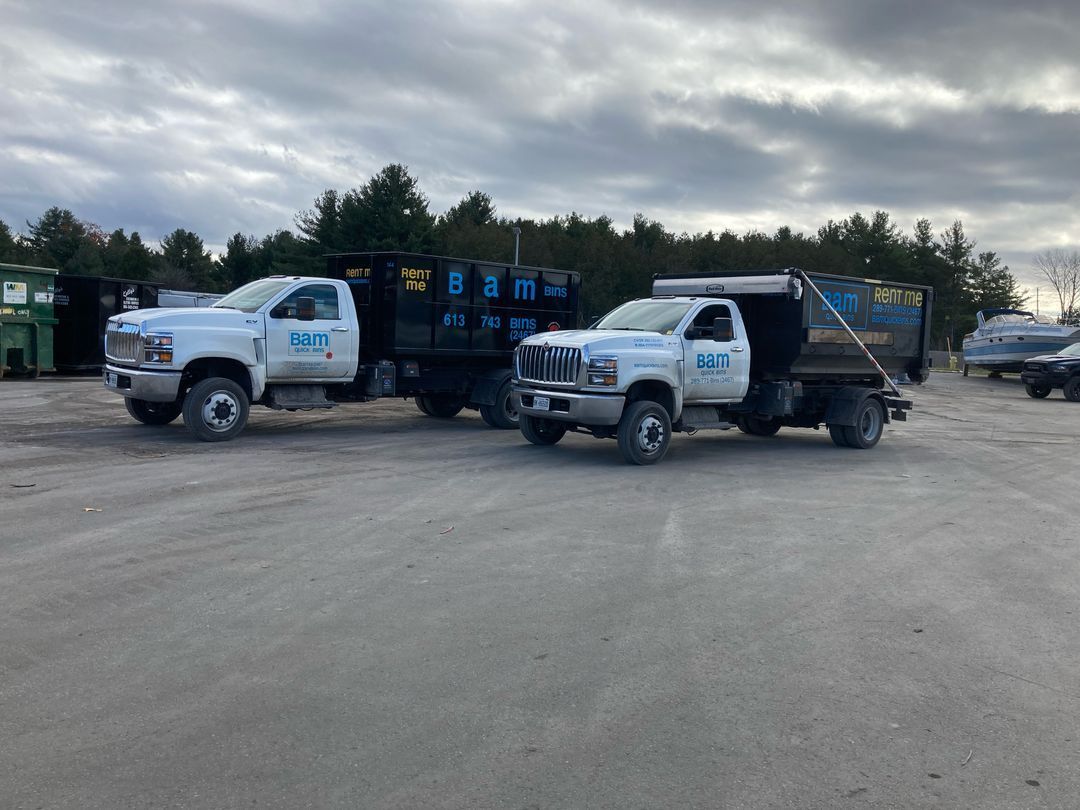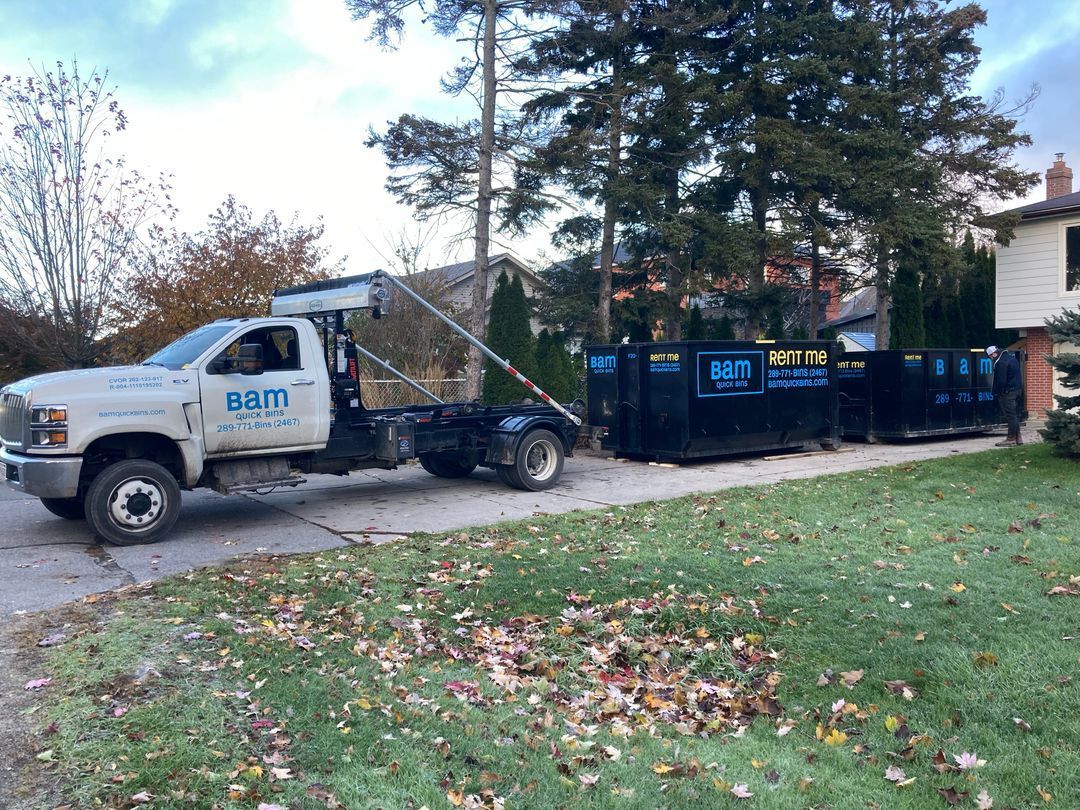
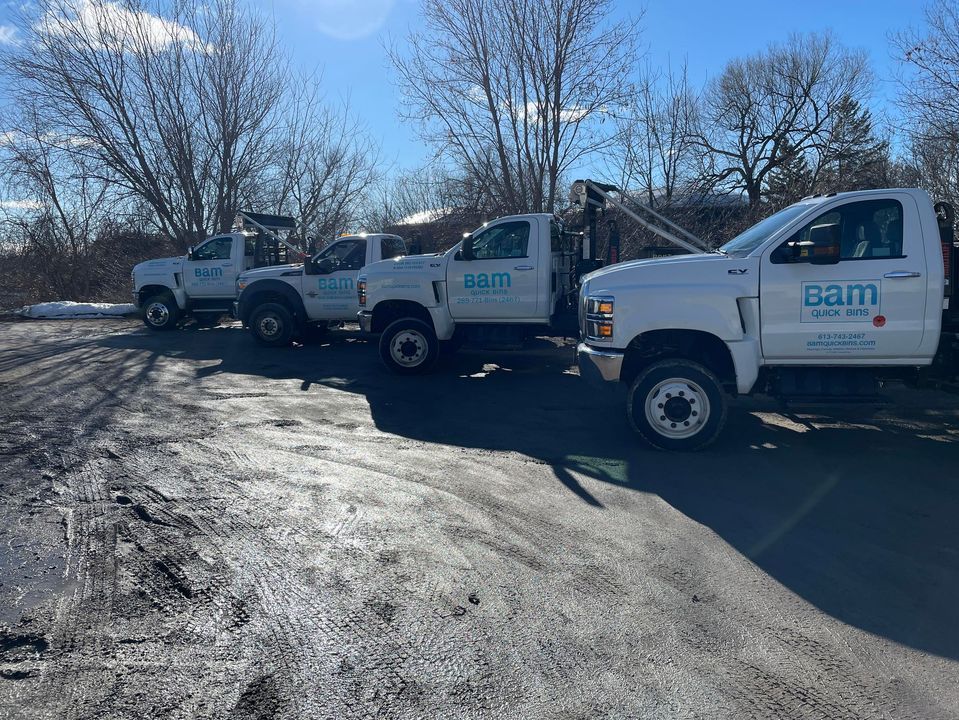
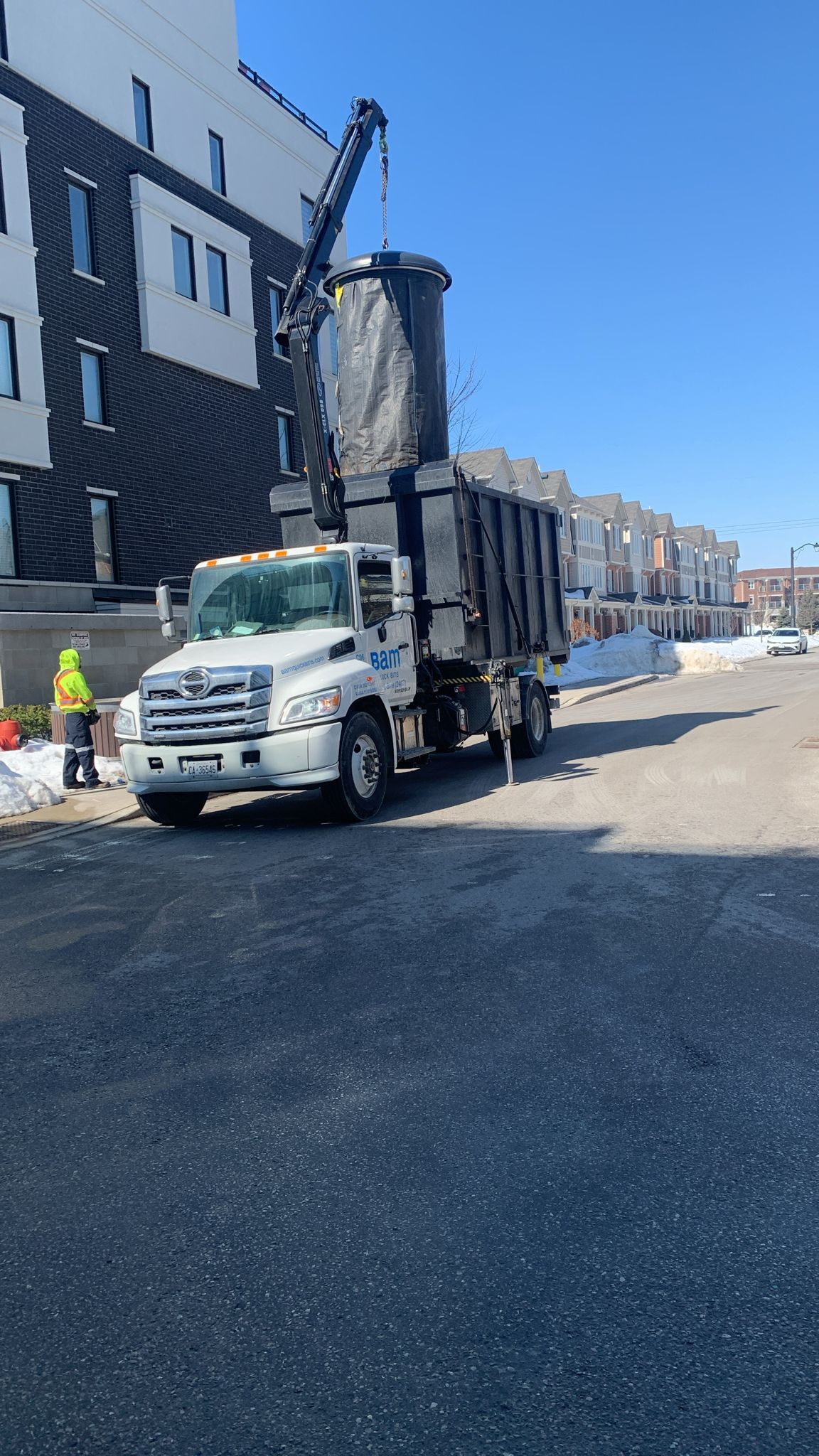
On a well-run site, nobody thinks about the bin. Debris leaves as fast as it is made, the truck arrives before the bin overflows, and disposal never once appears on the critical path. That invisibility is planned. Here is the plan.
Size by phase, not by project
A build is really three disposal projects wearing one permit. Demolition produces the dense load: plaster, tile, masonry, and old framing, where weight rules the sizing, and concrete runs separately as clean fill. Framing and rough-in produce steady, lighter offcuts that favour volume. Finishing produces packaging, drywall trim, and flooring ends, bulky and light. Sizing each phase honestly, with the bin size guide as the baseline, beats parking one oversized bin for the duration.
Make swaps a schedule, not an emergency
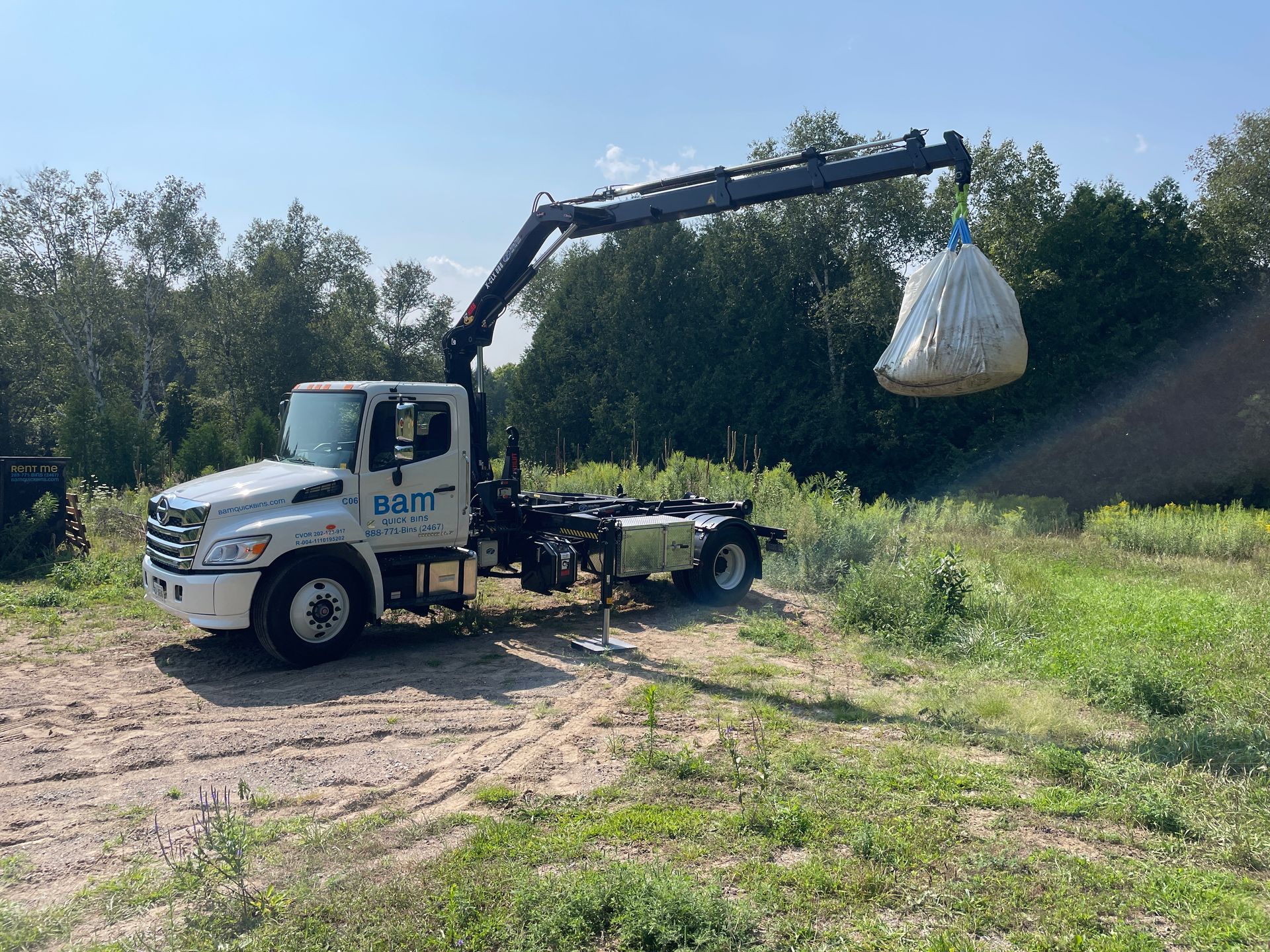
The single biggest difference between smooth and chaotic sites is when the swap gets booked. Call at three-quarters full, as our renovation timeline preaches, and the empty arrives as the full one leaves, one truck visit, zero idle crew. Call at overflowing and you are paying framers to stack debris on the ground, twice. Sites with predictable output put swaps on a weekly rhythm and stop thinking about it, which is exactly the arrangement our construction service is built around, with monthly arrangements for long-running sites.
Keep the streams honest
Mixed loads are the expensive kind. Clean wood, metal, and cardboard all have recovery value when separated, and heavy clean fill contaminated with garbage becomes neither recyclable nor cheap. One labelled bin plus a tidy scrap-metal pile is usually all the sorting a residential build needs, and our guide to where the junk goes shows why that sorting pays off after pickup.
Site habits that pay
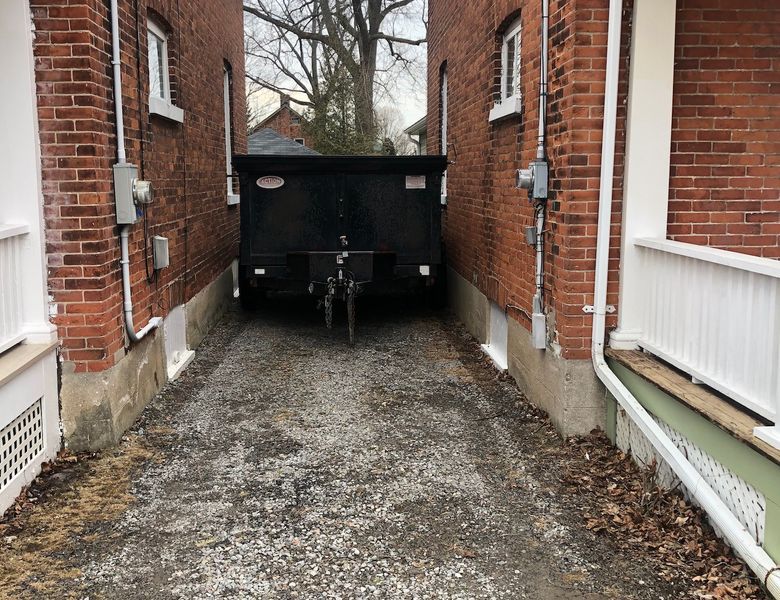
Place the bin where the debris carry is shortest but the swap truck still has a straight approach and overhead clearance; walk boards protect finished surfaces on tight lots. Keep loads level with the rim, because an overfilled bin is an unliftable bin. And brief the crew that the bin is for the build, not for lunch waste and coffee cups; organics invite the problems covered in our maggot guide.
Crews working anywhere on our corridor, from Barrie to Ottawa to Hamilton, can set up phase bins and swap schedules through the construction page or their local division line.