
The tenant is gone, but their stuff is not. A couch in the living room, a mattress against the wall, boxes in the closet, food in the fridge. As a landlord, your instinct is to clear it and get the unit ready for the next tenant as fast as possible.
Before anything goes in a bin, stop. In Ontario, what you can do with abandoned property in a rental unit depends on how the tenancy ended, and getting it wrong can mean paying the former tenant for belongings you threw away. This guide explains the general framework, how to document everything, and how to clear the unit efficiently once you are allowed to.
A clear warning first: this is general information, not legal advice. The Residential Tenancies Act has been amended in recent years, and the details matter. Check the current version of the Residential Tenancies Act and the guidance from the Landlord and Tenant Board, or speak with a licensed paralegal or lawyer, before you dispose of a tenant's belongings.
Start with how the tenancy ended
The single most important question is how the tenancy came to an end. Under the long-standing rules of the Act, there are three broad situations, and each is treated differently:
- The tenant moved out after the tenancy was properly ended, by a notice, an agreement, or an order of the Board.
- The tenant was evicted, with the eviction enforced by the sheriff.
- The tenant seems to have simply left, without notice, and the tenancy has not formally ended.
The first two are relatively straightforward. The third is where most landlords get into trouble.
When the tenant moved out properly
If the unit was vacated after a valid notice of termination, an agreement between you and the tenant to end the tenancy, or an order of the Board terminating the tenancy, the Act has generally allowed the landlord to deal with property left behind in the unit. In practice, that means you can sell, keep, or dispose of it.
Even here, a little caution goes a long way. If you can easily reach the former tenant, a quick message asking whether they plan to collect anything can prevent a dispute later, especially for items that are obviously valuable or personal.
After a sheriff enforces an eviction
When an eviction is enforced by the sheriff, the rules are stricter. Under the long-standing provisions of the Act, the landlord must make the tenant's property available for the tenant to retrieve for 72 hours after the eviction is enforced, at reasonable times and at or near the unit. After that window, the landlord may deal with the property.
During those 72 hours, do not dispose of anything, and make it easy for the tenant to collect their belongings. Keep a record of when they came and what they took.
When a tenant seems to have abandoned the unit
This is the risky case. A tenant who stops paying rent and stops answering messages has not necessarily abandoned the unit in a legal sense. They may be in hospital, travelling, or simply avoiding you. If you treat the unit as abandoned and clear it out, and the tenant comes back, you may face a serious problem.
The Act sets out ways to handle this properly. Under the long-standing rules, a landlord who believes a unit has been abandoned can apply to the Board for an order declaring the tenancy ended, or can give the tenant and the Board written notice of the intention to dispose of the property and then wait a set period, 30 days under the long-standing rule, before disposing of it. If the tenant claims the property within that period, it has to be made available.
Because the consequences of getting this wrong are significant, this is exactly the situation where checking the current rules and getting proper advice is worth it.
Document everything first
Whatever the situation, document the unit before you touch anything:
- Walk through every room and take photos and video, including inside closets, cupboards, the fridge, and storage spaces.
- Make an inventory of what was left behind, with a note on condition.
- Note the date and time, and who was present.
- Keep copies of every notice, message, and letter related to the end of the tenancy.
This record protects you if a former tenant later claims that valuable items were thrown away, and it supports any application you make to the Board.
Things you should never just toss
Some items deserve special handling, even when you are allowed to dispose of property:
- Personal documents, such as passports, identification, birth certificates, and financial papers. Store them securely and try to return them.
- Photographs and obviously sentimental items.
- Medications and prescription items, which should go to a pharmacy for disposal.
- Cash, jewellery, and other valuables. Record them, store them securely, and get advice before doing anything else.
- Anything that looks illegal or dangerous, including firearms. Call the police rather than handling it yourself.
- Pets. If an animal has been left behind, call your local animal services immediately.
- Vehicles. A car, trailer, or boat left on the property has its own rules. Contact your municipality's parking or bylaw office, or the police, about how to have it dealt with properly rather than towing or scrapping it yourself.
Keep your records and photos for a good while after the cleanout. Disputes about left-behind belongings can surface months later, and a dated record of what was there, and what you did with it, is the best protection you have.
Clearing the unit
Once you are clear to proceed, clearing the unit goes fastest with a plan. Sort as you go:
- Usable furniture and household goods in good condition can be donated, after checking carefully for bed bugs and other pests.
- Food goes to the garbage and green bin.
- Cleaning chemicals, paint, and other hazardous products go to a household hazardous waste depot. Our household hazardous waste guide explains what counts.
- Mattresses, worn furniture, and general junk go in a bin.
For apartments and condos, book the elevator and loading dock with property management, and check any building rules about where a bin or bag can sit.
Sizing the cleanout
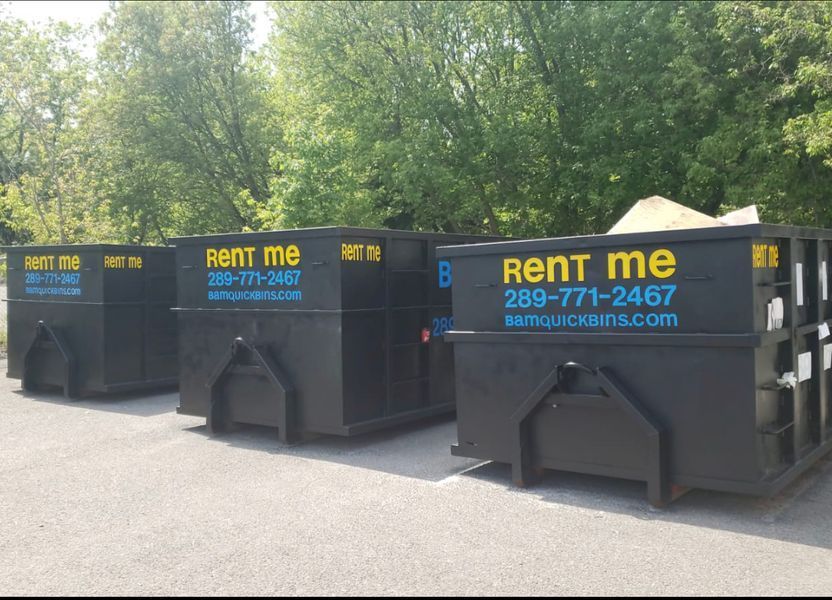
A studio or one-bedroom with a few pieces of furniture and some boxes often fits in a Bam Bag rated to 1 tonne, or a 10-yard bin. A fully furnished three-bedroom house left behind can need a 15 or 20-yard bin. Our junk removal service works on a bin-based, flat-rate model, so you are not paying a crew by the hour while you sort.
Our guides to mattress disposal and furniture disposal cover the two most common items left in rental units, and our comparison of junk removal vs dumpster rental helps you choose between the two approaches.
A cleanout day plan for landlords
Once you are clear to proceed, a simple plan gets most units turned over in a day:
- Morning: confirm your documentation is complete, then set aside valuables, documents, and anything that needs special handling.
- Sort the remaining contents into donate, hazardous, and dispose piles, working room by room from the back of the unit toward the door.
- Load the bin or bag as you go, heaviest items first and flat on the bottom.
- Afternoon: empty the fridge and cupboards, clean out closets and storage spaces, and do a final sweep for anything missed.
- Book the bin pickup, then hand the unit over to cleaners and trades.
If the unit is in a multi-unit building, coordinate with the property manager or superintendent before cleanout day. Elevator bookings, loading dock time, and rules about where a bin or bag can sit are much easier to arrange in advance than on the morning of.
Pests and health hazards
Units left in a hurry can come with problems: bed bugs, cockroaches, mice, or spoiled food. Deal with pests before you move infested items through common hallways and elevators, where they can spread to other units. Wrap infested mattresses and furniture in plastic, and label them so nobody takes them home from the curb. Wear gloves and a mask when handling anything heavily soiled.
Sharps, mould, and when to call a specialist
Turnover crews find needles more often than most landlords expect, tucked into bedding, couch cushions, and bags of garbage. Never compress a garbage bag with your hands or feet, and wear puncture-resistant gloves when sorting soft furnishings. If you find a needle, pick it up with tongs, drop it point first into a rigid container with a lid, and keep the container sealed. Many Ontario pharmacies accept sharps in approved containers, so ask yours.
Mould is the other common surprise, especially in units where the heat was turned off or a leak went unreported. Small patches on hard surfaces can be cleaned with detergent and water. Large areas, mould inside walls, or a unit with a strong musty smell need a remediation contractor, and soaked drywall and carpet will usually have to come out.
Some units are beyond a normal cleanout altogether: heavy hoarding, significant animal or human waste, or signs that a death went undiscovered. Those jobs belong to biohazard and specialty cleaning companies, who have the protective equipment and disposal arrangements for them. Our hoarding cleanup guide explains where that line falls.
Getting the unit rent-ready
With the belongings gone, the unit needs the usual turnover work: cleaning, repairs, patching, and painting. Documenting the condition before and after the cleanout helps with any disputes about damage, and it gives you a clear picture for the next tenancy.
Reducing the chances next time
Some of this can be headed off at the start and end of a tenancy:
- Schedule a move-out inspection with departing tenants, so you see the unit together.
- Remind tenants before move-out that anything left behind will need to be dealt with, and ask them to tell you if they need extra time.
- Keep contact details current, including an emergency contact, so you can reach a tenant who seems to have disappeared.
Where we help
We help landlords and property managers clear units across southern and eastern Ontario, including busy rental markets with their own junk removal pages: Kingston, Waterloo, Hamilton, Ottawa, and Oshawa. Once you are clear to proceed, call us, and we can have a bin or a bag at the property quickly so the unit can turn over.