Construction waste disposal rarely makes it onto the schedule until a bin is overflowing and the framers are stacking offcuts on the lawn. On a well-run jobsite, it is planned like any other trade: the right containers, the right streams, swaps on a rhythm, and paperwork that holds up if anyone asks where the waste went.
This guide is written for Ontario contractors and project managers, and for homeowners running larger renovations. It covers which projects fall under the province's waste rules, how to set up waste streams on site, how to keep bins clean, and how to plan disposal phase by phase.
What counts as construction waste
Construction and demolition sites produce a predictable mix:
- Wood, including framing offcuts, sheathing, and demolition lumber.
- Drywall offcuts and demolition drywall.
- Metals: steel studs, rebar, ductwork, wiring, and fixtures.
- Concrete, brick, block, and asphalt.
- Roofing materials.
- Cardboard, plastic wrap, and other packaging.
- Glass, insulation, and plastics.
- Hazardous materials in older buildings, which need their own handling.
How you handle each of these affects both your costs and your compliance.
Ontario's 3Rs rules in plain language
Ontario has two long-standing regulations that apply to larger construction and demolition projects, often called the 3Rs regulations, for reduce, reuse, and recycle.
Ontario Regulation 102/94 requires waste audits and waste reduction work plans. Ontario Regulation 103/94 requires source separation programs, meaning certain materials have to be kept separate on site so they can be recycled.
For the construction sector, these rules apply to construction and demolition projects of 2,000 square metres or more. For construction projects, the materials to be separated generally include brick and Portland cement concrete, corrugated cardboard, unpainted drywall, steel, and wood that is not painted, treated, or laminated. Demolition projects have a similar, shorter list centred on brick and concrete, steel, and wood.
This is a summary, not legal advice. Read the regulations themselves for the exact requirements, and keep an eye on updates, since the province has been reviewing how these rules work.
Smaller projects: no rule, same economics
Most residential renovations and smaller commercial jobs fall below the 2,000 square metre threshold. That does not mean separation is pointless. Separating materials usually saves money on its own:
- Clean concrete, brick, and asphalt can go in dedicated clean-fill bins, which are handled differently from mixed loads.
- Metal has scrap value, so pulling it aside cuts the weight in your mixed bin and can put money back in your pocket.
- Keeping heavy materials out of mixed bins helps you stay within weight allowances.
- Cardboard separated from debris can often be recycled more cheaply than it can be landfilled.
On a typical renovation, a clean-fill bin for masonry, a mixed bin for everything else, and a scrap metal pile cover most of the benefit with very little effort.
Setting up waste streams on site
The best waste plan is one the crew will actually follow. Keep it simple:
- One clearly marked bin per stream, placed where the material is produced.
- A short talk with the crew at the start of the job about what goes where.
- Signs on each bin, especially if multiple trades share the site.
- A designated spot for scrap metal.
- A separate, secure area for any hazardous materials.
When separation fails, it is usually because the right bin was too far away or nobody explained the plan. Put the clean-fill bin near the demolition and the cardboard spot near where materials are unpacked, and compliance takes care of itself.
Hazardous materials on the jobsite
Older buildings often contain materials that cannot go in ordinary bins. Ontario's Occupational Health and Safety Act requires a project owner to determine whether designated substances, such as asbestos, lead, mercury, and silica, are present at a project site before work begins, and to share that information with contractors.
Common examples include asbestos in older insulation, flooring, and textured finishes, lead in old paint, mercury in old thermostats and switches, and PCBs in some older fluorescent light ballasts. These need specialized handling and disposal. Our guide to asbestos testing explains how the asbestos side works.
Keeping bins clean
Contamination is expensive. A clean-fill bin with a few bags of garbage thrown in stops being clean fill. A mixed bin with a can of solvent in it can be refused. Keep bins clean by:
- Banning household garbage, lunch waste, and liquids from construction bins.
- Keeping hazardous materials out entirely.
- Covering or tarping bins at the end of the day, which also keeps rainwater weight down.
- Locking or securing bins on sites where neighbourhood dumping is a problem.
Planning bins by phase
Waste changes as a project moves through its phases, and the right bins change with it. Demolition produces heavy, dense debris where weight drives the bin size. Framing produces steady streams of wood offcuts. Drywall and insulation produce bulky, light waste. Finishing produces packaging and trim.
Our guide to construction bin rentals covers phase-by-phase planning and swap scheduling in detail. The short version: size bins for the phase you are in, book swaps at three-quarters full, and use clean-fill bins through our dirt and concrete service during demolition and excavation. Our guide to concrete and clean-fill disposal explains how those bins work.
Drywall, wood, and the case for deconstruction
Two of the bulkiest construction streams have better endings than landfill when they are kept clean.
Clean drywall offcuts can be recycled. Gypsum recycling operations accept unpainted drywall scrap and process it back into material for new drywall and other uses. The key word is clean: offcuts from new construction work well, while demolition drywall covered in paint, tape, and screws is harder to recycle.
Wood is similar. Clean, untreated lumber offcuts can sometimes be ground for reuse, and longer pieces are worth keeping for blocking, bracing, or donation. Painted, treated, and laminated wood is generally landfilled.
On demolition projects, deconstruction takes this further. Instead of knocking a structure down, crews take it apart and salvage what they can: doors, windows, fixtures, flooring, framing lumber, and hardware. It takes longer than demolition, but it can reduce disposal costs, and salvaged materials often find buyers or donation homes. Our house demolition guide covers when deconstruction makes sense.
A sample waste plan for a mid-size renovation
Here is how a typical whole-house renovation might handle its waste:
- Week one, demolition: a clean-fill bin for the old concrete steps and brick, plus a 20-yard mixed bin for plaster, lath, flooring, and fixtures. Scrap metal from old ductwork and plumbing goes into a separate pile.
- Weeks two to four, framing and rough-ins: the mixed bin on a weekly swap, with crews breaking down offcuts and keeping cardboard flattened and separate.
- Weeks five and six, drywall and insulation: the mixed bin continues, possibly upsized for the bulky, light drywall offcuts.
- Final weeks, finishing: a smaller bin for packaging, trim offcuts, and cleanup.
Throughout, hazardous materials are handled separately, and every weigh ticket goes into the project file. Plans like this are easy to adjust as the job changes, and they keep disposal from ever becoming the reason a crew stops working.
Pricing waste into your quotes
Waste is a real line item, and contractors who guess at it either lose money or lose bids.
Estimate it by phase. Demolition produces the most volume and weight, framing and drywall produce a steady stream of offcuts, and finishing produces packaging and small debris. Our cubic yard calculator turns room dimensions into volumes and flags heavy materials that need their own bin.
Account for weight as well as volume. Plaster, tile, shingles, and concrete reach a bin's weight allowance long before the bin looks full, so a demolition-heavy job may need more loads than its volume alone suggests.
Keep a simple log of bins for every job: the type of project, the square footage, the number and size of bins, and what went in them. After a handful of jobs you will have real numbers for your own work, which beats any rule of thumb. The log also makes it easy to show a client why the waste line on a quote is what it is.
Common jobsite mistakes
- Ordering one huge bin for the whole project, then watching it fill with demolition rubble on day two.
- Letting clean-fill bins get contaminated with garbage.
- Calling for a swap when the bin is already overflowing instead of at three-quarters full.
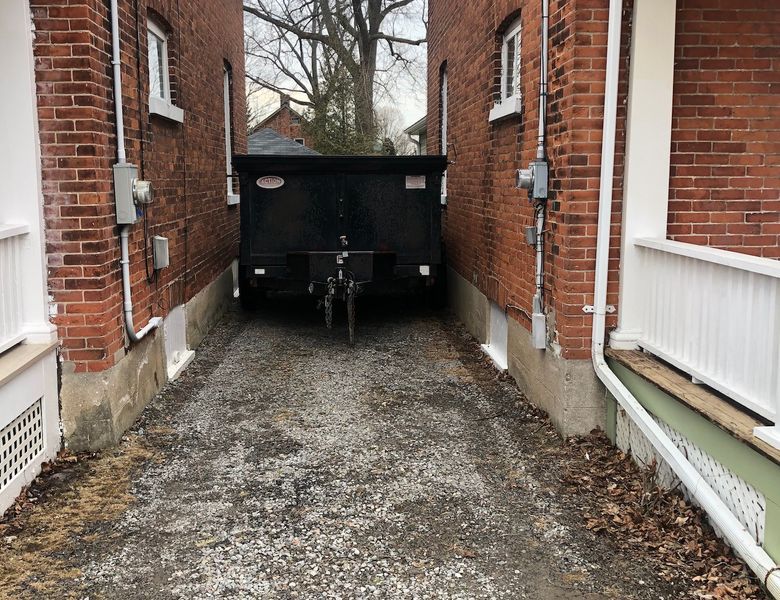
- Placing bins where the swap truck cannot reach them once materials are delivered.
- Forgetting to tarp bins before rain, which adds weight you pay for.
Documentation
Keep weigh tickets and disposal receipts for your project file. For projects covered by the 3Rs regulations, that paperwork supports your waste audit and reduction plan. For green building programs, it backs up your diversion numbers. And for any project, it shows where your waste went if anyone ever asks. It takes almost no effort to collect at the time and a great deal of effort to reconstruct later.
Who hauls it
Use established waste haulers that operate under the proper provincial approvals and can tell you where your waste goes. The suspiciously cheap hauler who takes cash and offers no receipts is a risk. If waste generated on your project ends up dumped illegally, the trail can lead back to the job and the people responsible for it. A legitimate hauler protects your reputation as much as your site.
Three quick questions sort good haulers from risky ones. Where do my loads go? Will I get a weigh ticket or disposal receipt for each one? How do you handle a load that turns out to contain something it shouldn't? A legitimate hauler answers all three without hesitating, because they deal with those questions every day.
We are proud members of Waste to Resource Ontario, and our guide to where the junk goes explains how loads get sorted and diverted after they leave your site.
Where we help
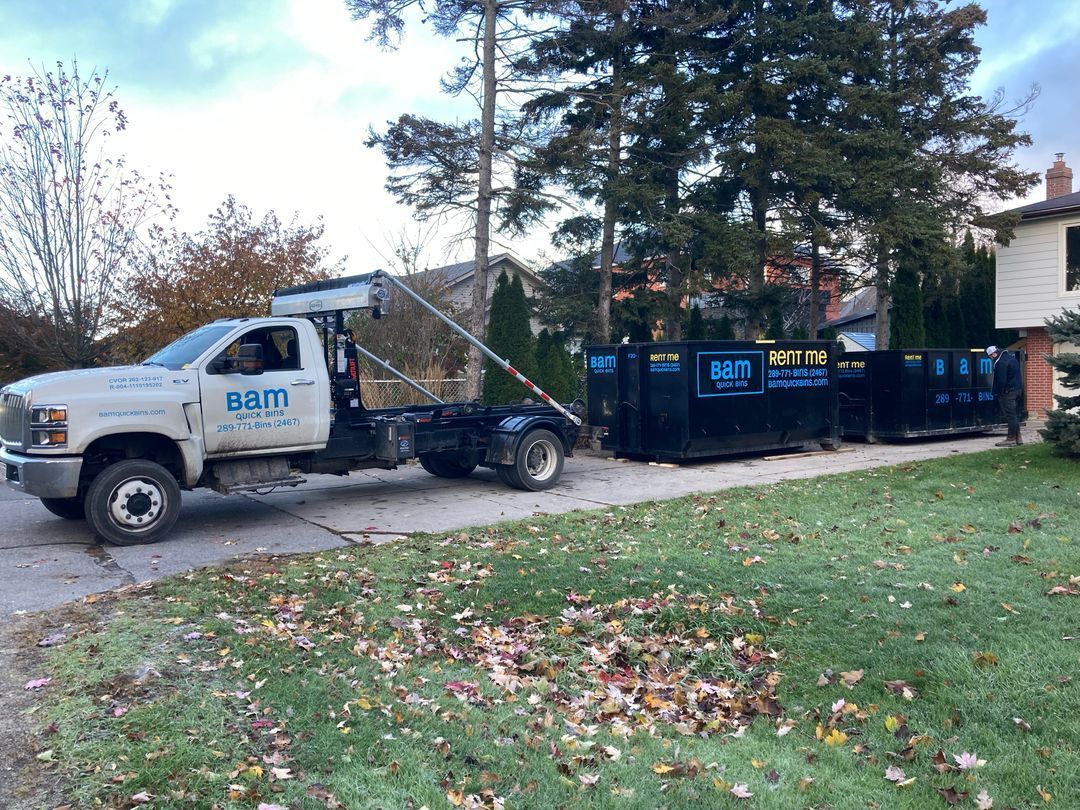
We supply construction bins, clean-fill bins, and scheduled swaps for builders and renovators across southern and eastern Ontario, including Vaughan, Kleinburg, Milton, Barrie, Ottawa, and Whitby. Set up phase-by-phase disposal through our construction bin rentals, and we will keep your waste off the critical path.